
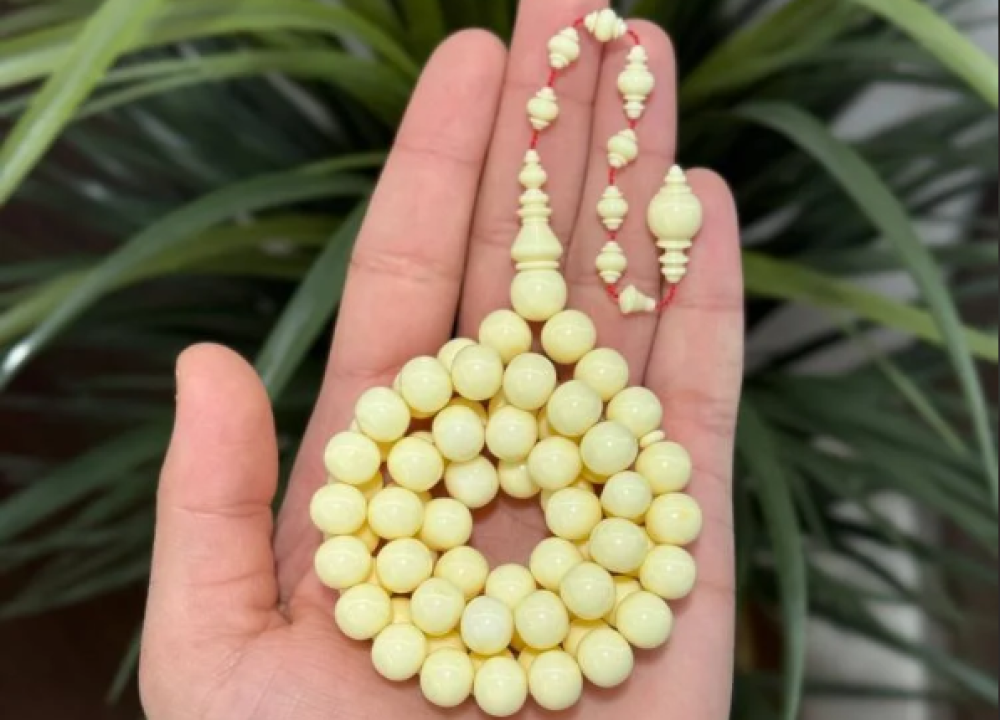
the introduction
Rosaries made using the old casting method are considered one of the oldest and most famous methods of rosary making in the Arab world, especially in Saudi Arabia and the Gulf countries, where rosaries have become associated with religious and cultural identity, and have become not just a tool for glorifying God, but a heritage and artistic piece that reflects taste and personality.
With the development of modern industries, the “old casting” method has maintained its position, because it relies on high manual skill and long experience in shaping raw materials and turning them into uniform and beautiful rosary beads.
What is meant by "old casting" in the manufacture of swimming pools?
When we say “old casting” in the swimming pool industry, we are talking about a traditional method that relies on:
- Melting raw materials (such as resin, synthetic amber, or certain special plastic materials)
- Pour it into pre-made molds
- Leave it to cool and harden naturally.
- Then they are shaped manually.
This method differs from modern manufacturing, which relies on ready-made machines and rapid production, because the old casting method depends heavily on manual touch and craftsmanship .
Why is it called “old casting”?
The name “old casting” came about because it relies on the traditional method that was used decades ago before the introduction of modern machinery.
This method is characterized by the following:
- It depends entirely on the craftsman
- Rapid automated production is not used
- Each rosary gives a slightly different character from the others.
- It preserves the spirit of handcraftsmanship
Materials used in old casting pools
One of the most important features of this type of swimming pool is the variety of materials used, including:
1. Resin
It is a semi-transparent material that can be colored, and is widely used in the manufacture of swimming pools because it is easy to shape and can have colors and designs added to it.
2. Artificial amber
It is used to give a luxurious look similar to natural amber, and is characterized by its warm color and beautiful shine.
3. Treated plastic
It is cast and shaped in a special way to give a shape similar to natural materials but less expensive.
4. Mixed materials
Some craftsmen mix more than one material to give a distinctive visual effect such as ripples or veins inside the rosary bead.
Stages of manufacturing swimming pools using the old casting method
Making a rosary involves several precise steps, and each step requires patience and skill:
1. Mold preparation
Special molds are designed to hold the required number of grains (usually 33 or 99). The mold is very precise to ensure the grains are uniform.
2. Pouring the raw material
After the raw material is prepared and melted or processed, it is carefully poured into the mold to avoid air bubbles or internal defects.
3. Cooling and solidification
The material is left to cool naturally, and this stage is important because it determines the strength and quality of the final bean.
4. Remove the grains
After hardening, the beads are carefully removed from the mold so that they do not break or get scratched.
5. Manual shaping
This stage is considered the most important in ancient casting, as it involves:
- Smoothing the grains
- Pierce it precisely
- Uniform size and shape
6. Final polishing
The beads are polished to give them the final shine that shows off the beauty of the rosary.
Features of old cast iron swimming pools
This type of swimming pool holds special value for swimming enthusiasts, and its most important features include:
- Unique design : Each rosary has its own special character.
- A distinctly hand-finished touch : not a repetitive, machine-made product.
- High quality when well manufactured
- Heritage value : Reflects ancient craftsmanship
- Variety of colors and shapes
Final finishing stage for swimming pools
The finishing stage is what reveals the true beauty of the rosary, and it is what distinguishes an ordinary product from a luxury product.
1. Smoothing
After the beads are removed from the mold, they need to be carefully smoothed to remove any excess material or minor roughness. This is done using special tools or very fine sandpaper.
2. Drilling and assembly
The beads are pierced very precisely to ensure that the thread passes through evenly, then they are assembled according to the required number (33, 99, or other).
3. Polishing
This stage gives the rosary its final shine. Special polishing materials are used to make the surface of the beads smooth and glossy, reflecting light beautifully.
4. Adding dividers and decorations
In some rosaries, spacers are added between the beads or simple decorations such as:
- Gold or silver dividers
- Imam's seed (the large seed at the beginning)
- Light patterned decorations
The difference between old casting pools and modern construction
With the development of technology, machine-made swimming pools have emerged, but the difference between them and the old casting method is clear:
1. Manufacturing
- Old casting: largely manual
- Modern industry: automated and fast
2. Figure
- The old casting: each bead has a slightly different character
- The hadith: a very uniform form without variation.
3. Quality
- Traditional casting: depends on the craftsman's skill
- The hadith: depends on quantitative production.
4. Value
- Old casting: highest value among hobbyists
- The saying goes: cheaper but less distinctive.
5. Scarcity
- Old casting: often limited production
- The talk: a huge and frequent production
How can you distinguish an authentic rosary made with an old cast iron casting?
If you want to buy a high-quality rosary, you need to pay attention to several important points:
1. Complete asymmetry
Handmade prayer beads often have very slight variations between the beads, which is evidence that they are not 100% automated.
2. Weight
Old casting pools are often slightly heavier due to the density of the materials and the quality of the manufacturing.
3. Natural shine
The shine in old castings is soft and not exaggerated, unlike some commercial pools that are artificially shiny and overly shiny.
4. Internal details
If the material is transparent or semi-transparent, you will notice veins or details inside the bean, and this is a sign of quality.
5. Sense of touch
A good rosary has a very smooth and balanced texture, without roughness or sharp edges.
The importance of choosing a good rosary
The rosary is not just a tool for praise, but it also has religious and personal value, so choosing it is very important:
- It gives a feeling of comfort during use
- It reflects the taste of its owner
- It lasts a long time if it is of high quality.
- It can be a very valuable gift
Tips when buying old cast iron swimming pools
If you decide to buy prayer beads, follow these tips:
- Don't rely solely on appearance; check the quality.
- Ask about the manufacturing method (manual or automated).
- Choose a reliable source or a well-known manufacturer
- Don't be fooled by the unnatural, excessive shine.
- Try the rosary in your hand before buying, if possible.
Conclusion of the article
In conclusion, it can be said that traditional cast prayer beads represent a beautiful blend of craftsmanship and authentic heritage, and they have retained their value despite modern industrial advancements. Choosing the right prayer beads depends on your personal taste, but the most important thing is understanding the differences between the various types and recognizing the true quality behind each piece.